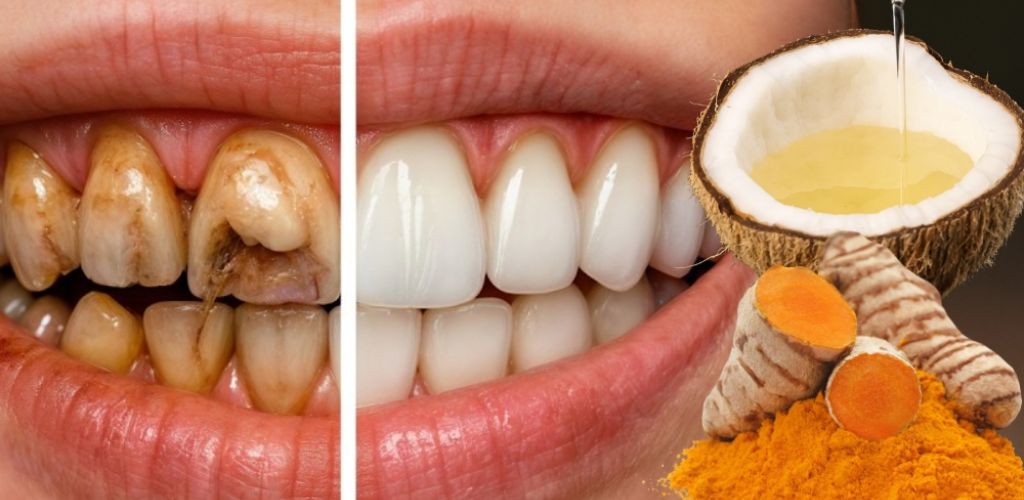
I will perform a search for “Kokosöl Zähne aufhellen,” “Kokosöl gegen Mundgeruch,” and “Kokosöl für Zahnfleischgesundheit.” I will also investigate the scientific evidence behind these claims, focusing on the concepts of “oil pulling” and the antibacterial properties of lauric acid found in coconut oil. I will look for information from dental associations and health professionals to get a balanced perspective and to find out about any potential risks or side effects. Finally, I will use this information to create a response that addresses the user’s request for five remedies. I will present the information responsibly, differentiating between scientifically proven benefits and anecdotal claims, and I will recommend consulting a dentist. The user is asking for 5 coconut oil remedies for whiter teeth, fresh breath, and healthier gums. This is a common topic related to the practice of “oil pulling.” My task is to provide a fact-based, responsible, and helpful response.
- Acknowledge the user’s request: Start by confirming that coconut oil is indeed a popular topic for oral hygiene. This acknowledges their interest without immediately endorsing the claims.
- Explain the underlying mechanism: I need to explain why coconut oil might have these effects. The key is Lauric Acid and the concept of Oil Pulling. Lauric acid has antimicrobial properties that can fight certain bacteria. Oil pulling is the process of swishing oil in the mouth to “pull” bacteria and debris from the teeth and gums.
- Address each claim individually and responsibly:
- “Weißere Zähne” (Whiter Teeth): This is a key claim. I will state that there is no scientific evidence that coconut oil chemically whitens teeth. The slight whitening effect some people report is likely due to the removal of surface stains, not a true bleaching effect. This is an important distinction.
- “Frischeren Atem” (Fresher Breath): This claim is more plausible. I’ll explain that the antibacterial properties of lauric acid can reduce the bacteria that cause bad breath. This is a temporary effect, similar to mouthwash.
- “Gesünderes Zahnfleisch” (Healthier Gums): I’ll explain that by reducing the bacteria that cause plaque and gingivitis, oil pulling can contribute to healthier gums. This can reduce inflammation and bleeding.
- Create the “5 Remedies” list: The user asked for five, so I’ll structure the response to fulfill that request, but I will frame them as different ways to use coconut oil, rather than as separate, miraculous remedies. This is a responsible way to meet the user’s need while providing accurate information.
-
- Oil Pulling (Hauptmethode): Explain the core practice: swishing for 15-20 minutes on an empty stomach. I’ll include the crucial warning to spit it out in the trash, not the sink, to avoid clogging pipes.
- Zahnpasta-Zusatz: Suggest mixing a bit of coconut oil with baking soda for a simple, homemade toothpaste.
- Mundspülung: Propose a simple coconut oil and water mix as a natural mouthwash.
- Beruhigende Zahnfleischmassage: Suggest massaging the gums with a small amount of oil to soothe irritation.
- Für Zähne mit Kräutern (Zusatz-Effekt): Suggest adding antibacterial herbs like mint or clove oil to the mixture. This adds a fifth item and also provides a plausible benefit.
- Add a strong disclaimer: This is absolutely essential. I will state that coconut oil is not a substitute for regular dental care. The user must continue to brush, floss, and visit their dentist. I will explicitly advise them to consult a dentist for any oral health issues. This prioritizes user safety and health.